
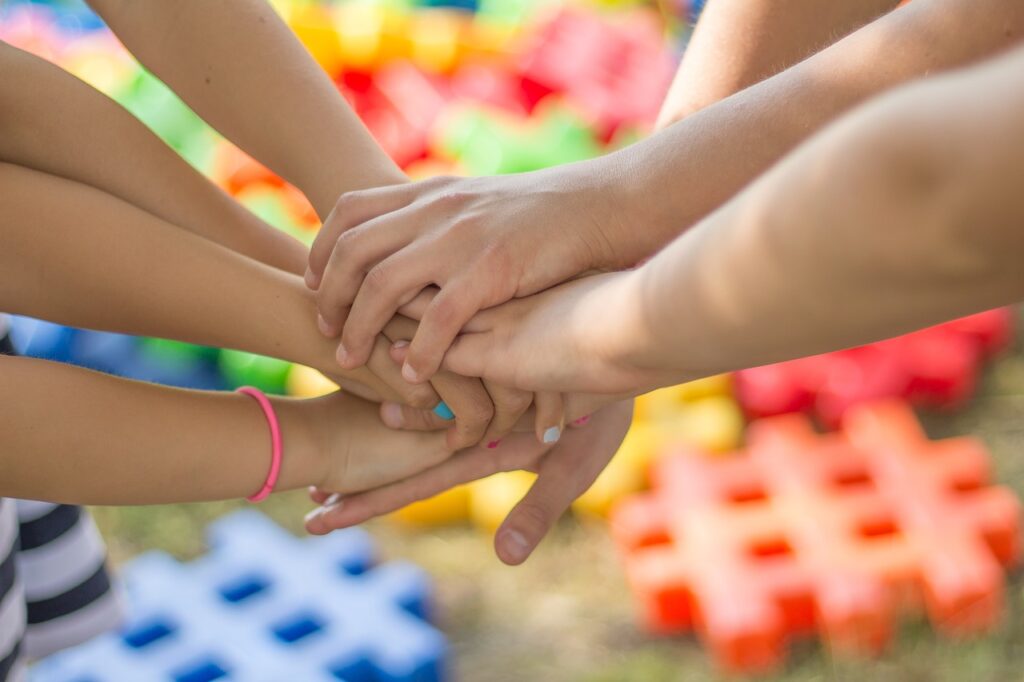
Making friends can be challenging for children who struggle with social understanding, but these skills can be taught. Start by creating opportunities that feel safe and predictable. One-on-one playdates or small group activities are often easier than large, unstructured settings. Choosing peers with similar interests can also increase success.
Before social interactions, practice skills such as greeting someone, asking to join an activity, or handling disagreements. Role-playing at home helps children know what to expect. During play, gentle coaching may be helpful, especially if your child becomes stuck or frustrated.
Friendships take time to develop. Praise effort, not just outcomes, and help your child reflect on what went well. Social skills groups can provide structured practice with professional guidance. With patience, repetition, and encouragement, children can learn how to connect and maintain friendships.
Parents can model social behavior by thinking aloud, such as explaining how they greet someone or solve a problem. Role-playing and social stories can help children understand what to do in specific situations. Using clear, concrete language helps children grasp expectations.
Practice should be frequent and positive. Children often need many repetitions before a skill becomes natural. Celebrate small successes and provide gentle corrections when needed. Consistency across caregivers helps reinforce learning. Over time, these daily practices build confidence and social understanding.
Our Social Thinking® groups provide a supportive environment for three to four people to play fun games, engage in peer conversations, and learn together, guided by a caring educator. Whether your child is ready to improve communication, build friendship skills, or better understand social cues, our groups emphasize practice, affirmation, and connection! Email learning@sterncenter.org to learn more.